
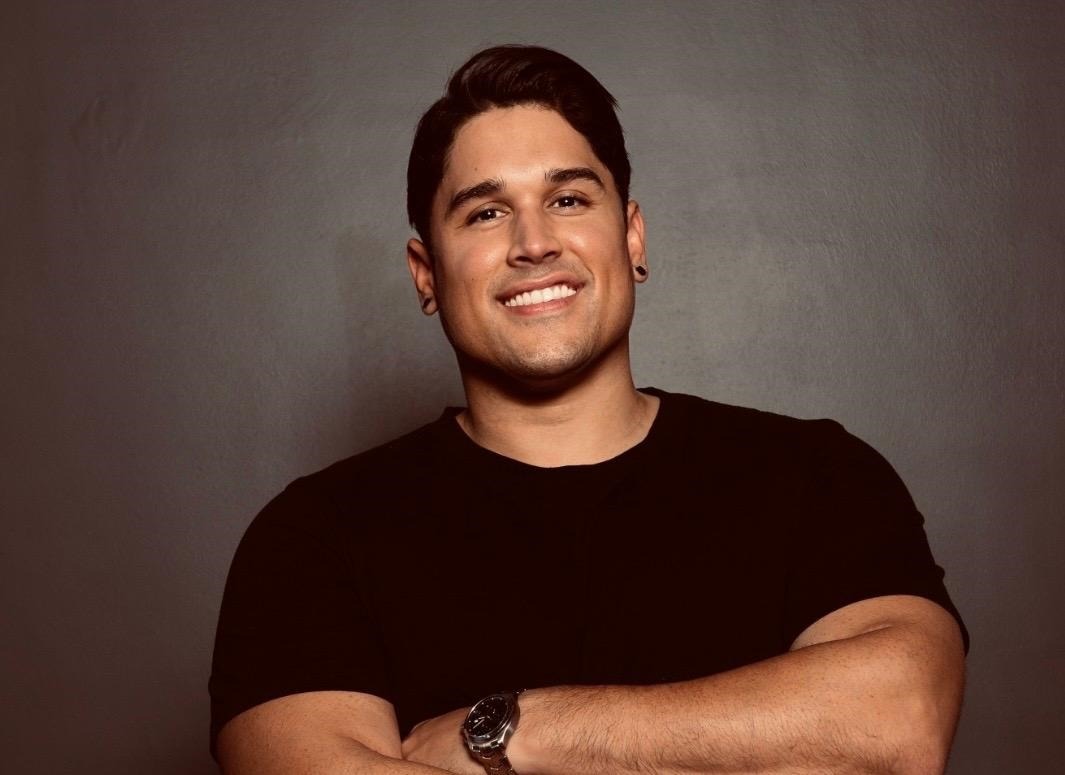
| Who: Reagan Clay, South African marketing strategist and thought leader specializing in premium wine and champagne brands, building luxury brand portfolios Instagram: Instagram: @reaganclay |
“Luxury is not just about product, it is about legacy, craftsmanship, and the story behind every bottle,” reflects South African marketing strategist, Reagan Clay. He went from humble beginnings in Cape Town, to luxury leadership, with a focus on luxury champagne and premium wine. “The beverage space sits in a very unique position within luxury and premium marketing because, unlike fashion or jewellery, the product is not meant to be owned, it is meant to be experienced and consumed. That fundamentally shifts the conversation from cost to value.” Success, he suggests, “comes from consistently creating moments, and experiences that people remember long after the bottle is empty.”
TheCapeRobyn: What led you to develop storytelling as core to your marketing strategy – with emotional brand connection, the guiding principle? For instance, I am looking at one of your recent Instagram posts, where you give insights into “the story behind the bottle – Palmes d’Or Brut by Nicolas Feuillatte Champagne”. The dimples on the bottle, are inspired by a black pearl necklace, you tell us. This kind of insight is very different to what is dominating the world of luxury, where we see “influencers”, “social media managers” and “content creators” posting about luxury brands, with scant understanding and knowledge of the brands . Your thoughts?
Reagan Clay: In both luxury champagne and premium wine, emotional storytelling is essential. Luxury often emphasizes heritage and rarity, while premium wine leans on craftsmanship and quality. I realised early that whether it’s a rare vintage champagne or a meticulously crafted premium wine, the story gives meaning. Without it, consumers just see a bottle or product. Storytelling bridges that gap. For luxury, it’s about legacy, for premium, it’s about passion.
This approach ensures that both luxury and premium brands build true consumer connection. If there is a genuine understanding and appreciation for a brand and you understand the hard work, passion, and craft that goes into making these wines or champagnes, then the passion comes through.
TCR: What is your origin story? Can you tell us about who influenced you?
RC: I grew up in Retreat, in the Southern Suburbs of Cape Town. It was a rough dangerous neighbourhood where environment can shape your direction if you allow it to. What grounded me was family. My father and his brothers all lived within a few blocks of each other, which created a strong support system that guided us and kept us focused despite the challenges around us.
My father played a defining role in my journey. He started as a mechanic at BMW and worked his way up to become the first person of colour to hold a managerial role at Auto Atlantic in Cape Town. Later, he built his own business, Beemer Auto Services, which he still runs today. His work ethic and sacrifice created opportunities for me that he never had.
Education became the turning point. After multiple rejections from Model C schools, I was accepted into St Joseph’s College, which opened the door to Rondebosch Boys, where I completed my schooling. I went on to study at University of Cape Town and later CPUT (Cape Peninsula University of Technology).
TCR: When did you first encounter “luxury”? It wasn’t part of your milieu, growing up in Retreat?
RC: Luxury was not something I grew up around. My first real exposure came through my role as a Brand Ambassador at British American Tobacco, where I experienced premium environments for the first time. That curiosity led me into the wine industry, where I spent over a decade at Distell, growing into a premium wine brand role.
Today, at Vinimark (South African specialist wine wholesale company and distributor, representing a portfolio of premium producers), I work with some of the world’s most iconic champagne brands in the world. A defining moment was visiting Champagne and experiencing its heritage first hand. That is when I understood that luxury is not just about product, it is about legacy, craftsmanship, and the story behind every bottle.
TCR: Can you tell us about your “long-term goal”, to launch your own luxury marketing agency?
RC: I’m still very much with Vinimark and I genuinely appreciate being part of a company where I get to champion both luxury champagne and premium wine brands. It’s been an incredible opportunity to add value to such a diverse portfolio. While I’m nurturing my long-term vision of creating my own agency, I’m in no rush. Right now, I’m fully engaged in helping these brands thrive. The work I do now whether in luxury or premium feeds my future vision. When the time is right, I’ll step into my own venture, but for now, I’m proud to be part of this journey with them.
My greater vision for myself is to build a marketing agency focused on growing premium and luxury brands in the South African market creating bespoke offerings that are focused on adding true value and driving the growth of these brands by telling their stories in a creative an authentic way that will connect with the consumer.
TCR: Insights into your vision for luxury marketing in South Africa 2026 of premium brands – in wine, champagne – cost versus value?
RC: The beverage space sits in a very unique position within luxury and premium marketing because, unlike fashion or jewellery, the product is not meant to be owned, it is meant to be experienced and consumed. That fundamentally shifts the conversation from cost to value.
That is where both luxury and premium brands need to evolve in South Africa. Luxury cannot rely only on heritage, and premium cannot rely only on price. Both need to justify their place in people’s lives.
A bottle like Palmes d’Or is not just about craftsmanship or packaging, it is about the moment it creates. It is about the moment and the people you choose to experience it with. The story behind the bottle and the man behind the brand, how he/she wanted to create something that represented the beauty and allure of a ballerina in New York, that in its self is so special and this translates into value not just price. The same applies to a premium wine, it might not carry centuries of history, but it can still deliver a powerful, memorable experience. It is the Brand Managers job to bring that to life for the consumer in a creative and memorable way.
My view is simple. If the moment is not elevated, the product has no value. In 2026 the brands that understand that, and design for it intentionally, will win. Create experiences that people remember.
TCR: Can you talk about putting into action “brand strategy” for lifestyle, luxury and business audiencesin a world, saturated by social media copy and paste?
RC: The biggest gap in the market today is not visibility, it is depth. Brands are producing more content than ever, but creating fewer meaningful experiences. Across luxury and premium categories, consumers are becoming more selective, they are buying less, but expecting more from every purchase. What they are really looking for is authenticity, a reason to believe, and that starts with storytelling.
The issue is that many brands are telling stories, but they are not real stories. They are polished, repetitive, and disconnected from the truth of the brand. Authentic storytelling is not about saying more, it is about saying what is real, and making it resonate.
Too many brands are optimising for attention instead of connection. If a consumer engages with your brand and leaves without understanding it, the strategy has failed.
For me, brand strategy comes to life through real experiences and honest storytelling. Digital should spark curiosity, but the connection is built when people feel the brand.
The brands that win will be the ones that are intentional about this.
At the core of it, brands need to do the work of truly understanding who they are before trying to tell the world who they want to be. The strongest brands are not built by copying what is trending, they are built by going deeper into their own story, their craft, and their reason for existing.
When that is clear, storytelling becomes more honest, more intentional, and far more powerful. You do not need to chase every audience, the right audience will find you when your message is authentic and consistent. The problem is that many brands are trying to do everything at once, and in doing so, they become part of the noise.
There is a real opportunity in the industry to move away from surface-level marketing and focus on storytelling that has meaning, and execution that feels considered. That is where long term brand equity is built.
For me, ultimately, success comes from consistently creating moments, and experiences that people remember long after the bottle is empty.
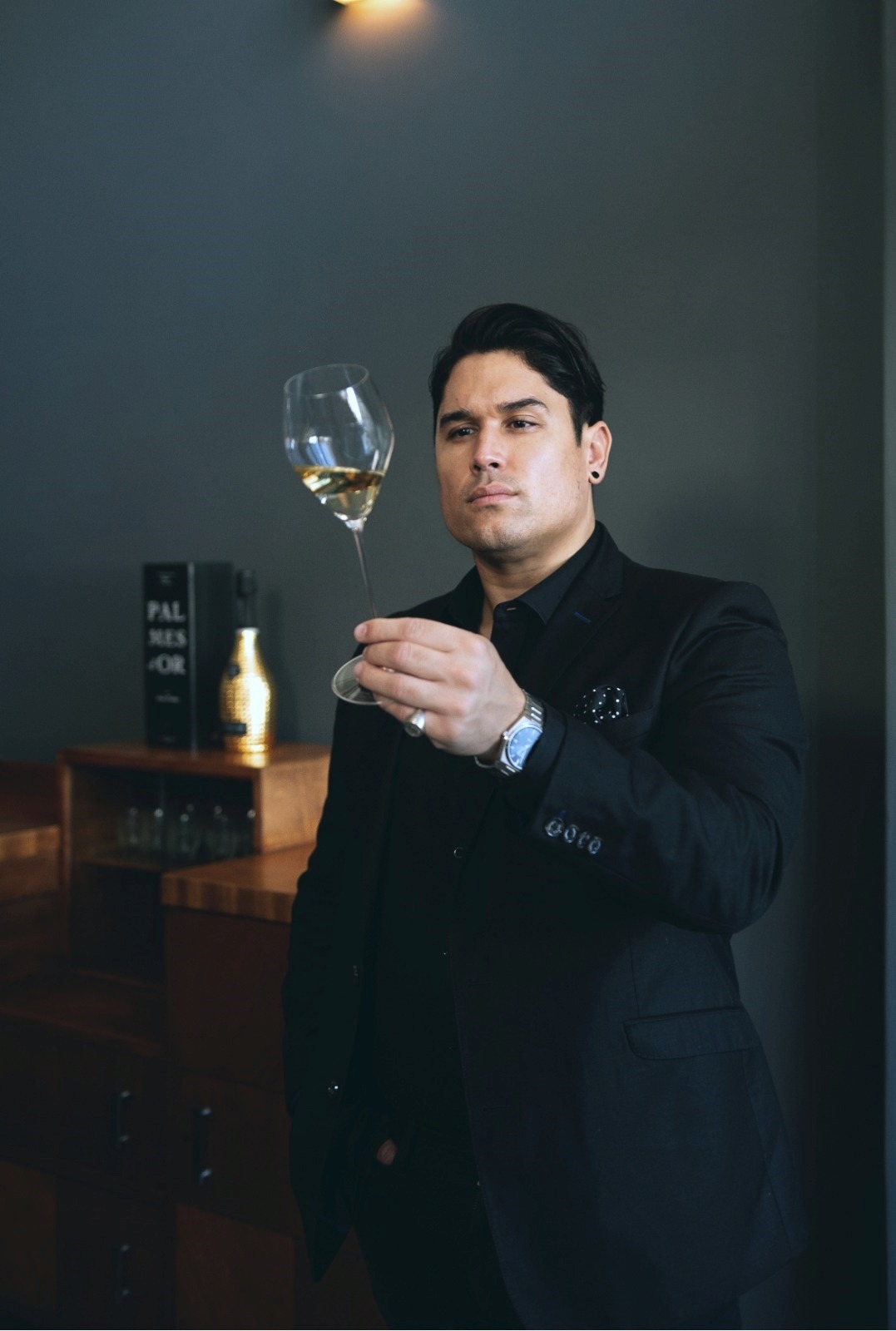
- Reagan Clay, South African marketing strategist and thought leader specializing in premium wine and champagne brands. Supplied pic.


